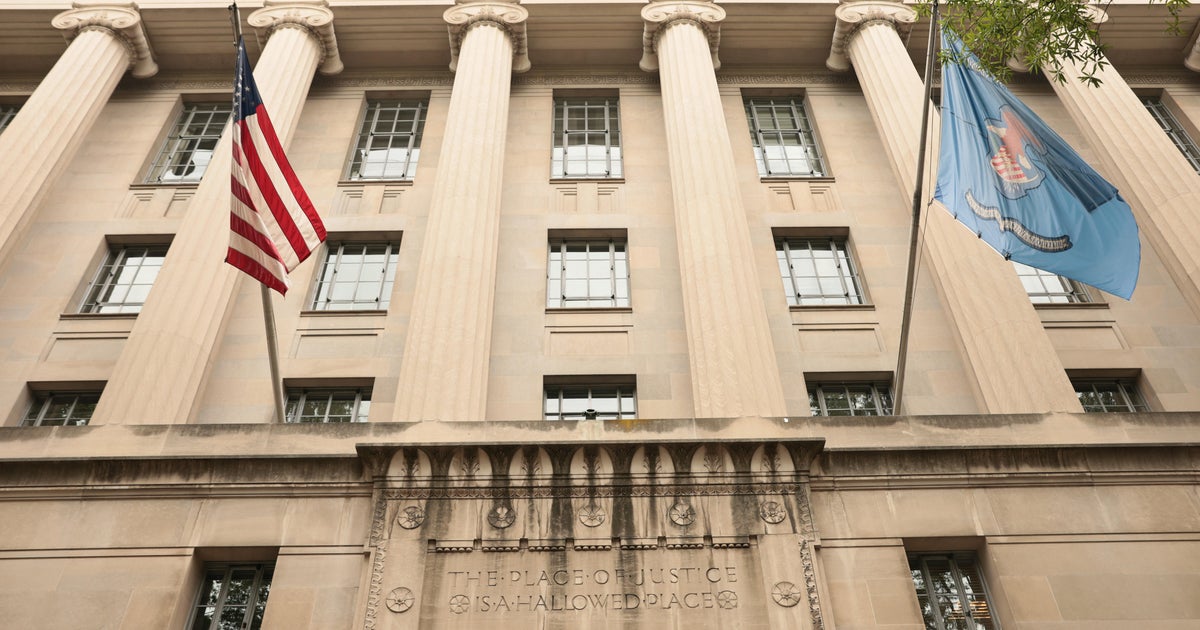
The **D.C. Grand Jurors** are citizens selected to serve on grand juries in the District of Columbia, a key component of the criminal justice system tasked with deciding whether sufficient evidence exists to formally charge individuals with felony crimes. Unlike trial juries that determine guilt or innocence, grand juries in D.C. review evidence presented by prosecutors over an extended period, typically around 25 workdays, and issue indictments if at least 12 of the 16 to 23 jurors agree that probable cause exists to proceed with prosecution[1][6][8].
Historically, grand juries have played a critical role in D.C.’s justice system by acting as a preliminary check on prosecutorial power, ensuring that charges are warranted before trial. The selection process aims to represent a fair cross-section of the community, drawing jurors randomly from registered voters, with careful judicial oversight to maintain impartiality and integrity[2][3]. Grand jurors take an oath to conduct inquiries diligently and objectively without malice or bias[2].
A notable aspect of D.C. grand juries is their detailed consideration of legal elements required for indictments. Reports indicate that jurors carefully scrutinize evidence, sometimes refusing to indict when elements of a crime are absent, demonstrating conscientious civic responsibility even among non-legal members[4]. However, debates exist about the composition and representativeness of D.C. grand juries, with some critics questioning whether socioeconomic factors influence who can serve, though official processes strive for inclusiveness[4].
Currently, D.C. grand juries continue to serve as a crucial legal mechanism, with structured procedures and judicial guidance ensuring their function aligns with constitutional protections. Their work impacts not only criminal prosecutions but also public trust in the justice system. This ongoing role, combined with their community-based nature, makes D.C. grand jurors an essential part of the intersection between law, governance, and civic technology that supports transparent and accountable judicial processes[1][6][7